
Yakutsk Weather in Summer | What to Expect in the World's Coldest City
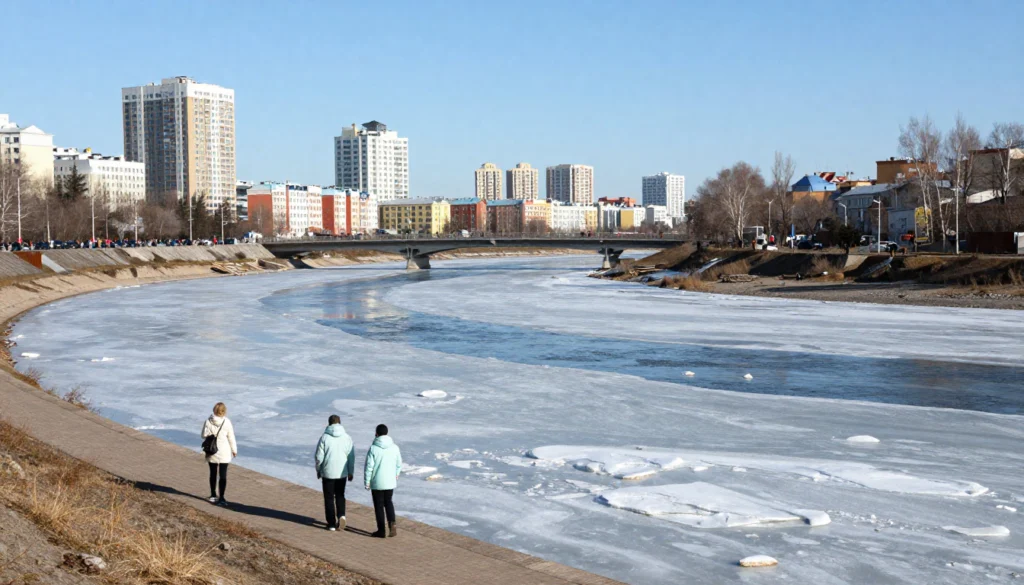
If you’ve ever heard of Yakutsk, your first thought was probably “extreme cold.” And yes — this Siberian city holds a legendary reputation for its brutal winters. But here’s what most people don’t know: Yakutsk weather in summer tells a completely different story. For a few short months, this remote Russian city transforms into something surprisingly warm, alive, and even magical.
Let’s take a real look at what summer actually feels like in Yakutsk, and why this season is worth knowing about.
Where Is Yakutsk and Why Does Its Weather Seem So Extreme?
Yakutsk is the capital of Russia’s Republic of Sakha, sitting deep in the Siberian Far East. It’s located almost 1,000 km from the Pacific Ocean — a position that, combined with its high latitude, locks it into one of the most sharply continental climates on Earth. What that means in plain terms: no ocean breeze to soften things out. Winter is savage. But summer? Summer swings hard in the other direction.
With winter lows dropping to around -70°F and summer highs climbing to 70°F, Yakutsk holds records as both the world’s coldest city and the place with the greatest temperature variation on Earth. That contrast isn’t just a fun fact — it shapes everything about life here.
Yakutsk Summer Temperature: Warmer Than You'd Think
The average temperature in Yakutsk in summer genuinely surprises most people. July is the hottest month of the year, with an average temperature of around 20°C (68°F). That’s not just tolerable — for many visitors, it’s genuinely pleasant.
Daytime highs in July typically hover around 26°C (79°F), while nights cool down to about 14°C. Think warm afternoons and crisp evenings — the kind of weather that makes you want to be outdoors.
And sometimes? It goes even further. Daily maximum temperatures can exceed 30°C (86°F), and the all-time record high in Yakutsk hit 38.4°C (101.1°F) on July 17, 2011. Yes, a place known for -60°C winters once recorded temperatures hotter than a typical summer day in southern Europe.
How Long Does Summer Last in Yakutsk?
Don’t get too comfortable — summer in Yakutsk is fleeting. True summer weather sets in around June 10, when daily temperatures consistently rise above 15°C (59°F). Hot weather is mostly short-lived, peaking at the end of July, and the season itself lasts only about 2.5 months.
By mid-August, autumn begins to arrive, and the first significant frosts can appear as early as mid-September. So if you’re planning a visit for the warmer months, you’re really looking at a window of roughly June through early August.
Yakutsk Summer Climate: Sunshine, Dry Air, and Big Days
One thing that makes Yakutsk summer climate unique is the sunshine. The city sits far enough north that summer days stretch on and on — long golden hours that locals savor knowing winter is always waiting.
The climate is quite dry, with most of the annual precipitation falling in the summer months. However, summer rainfall isn’t heavy, because moist winds from the Pacific lose much of their moisture over the coastal mountains long before reaching the Lena Valley.
Over the course of the year, precipitation totals only around 238 mm, with more than 80% of that falling between May and September. So while you might catch some summer showers, you’re not dealing with monsoon-like conditions.
One thing to watch out for: daily temperature swings in summer are very large — daytime highs in July can exceed 30°C, but temperatures at other times can drop sharply, and frosts are not unheard of Pack layers.
The Ysyakh Festival: Celebrating Summer Like No One Else
Summer in Yakutsk isn’t just about weather — it’s about culture. And nothing captures that better than the Ysyakh festival.
Yakuts mark the summer solstice holiday of Ysyakh to honor nature deities and celebrate renewal and fertility. The largest festival is held at Us Khatyn, a wide open clearing north of Yakutsk, drawing crowds of around 200,000 people from across Yakutia and beyond.
The traditional Yakut summer solstice festivities include folk dancing, horse racing, Yakut ethnic music and singing, national cuisine, and competitions in traditional Yakut sports. It’s one of the most genuinely immersive cultural experiences in all of Russia — and most of the world has never heard of it.
Things to Do in Yakutsk During Summer
Summer opens up Yakutsk in ways winter simply can’t. With the Lena River navigable in the warmer months, boat cruises are available, including trips upriver to the Lena Pillars Nature Park — a UNESCO World Heritage Site — and downriver tours through spectacular scenery along the lower reaches and the Lena Delta.
Summer visitors can walk the compact downtown and explore the riverside paths, marveling at brightly painted buildings constructed on complex pilings necessitated by the region’s deep permafrost. The city has museums covering everything from preserved mammoths to the cultural heritage of the Yakut people.
One small but important tip: pack bug spray or buy a local ointment — summer brings swarms of mosquitoes that are very much part of the seasonal experience.
Yakutsk Summer vs. Winter: The Wildest Climate Contrast on Earth
It’s hard to talk about Yakutsk in summer without acknowledging the contrast that makes it so remarkable. The seasonal temperature difference in Yakutsk — around 102°C (184°F) between winter lows and summer highs — is the greatest of any city in the world.
The average temperature in January sits around -38°C, while July averages +19°C. Same city. Same streets. Completely different worlds.
This isn’t just a climate curiosity — it shapes the architecture, the culture, the food, and the mindset of everyone who lives here. When summer arrives in Yakutsk, people don’t take it for granted. They step outside, they gather, they celebrate. They know exactly how quickly it disappears.
Final Thoughts: Should You Visit Yakutsk in Summer?
If you’re drawn to places that feel genuinely unlike anywhere else, Yakutsk in summer deserves serious consideration. The weather is warm and manageable, the days are long, the cultural scene is rich, and the landscapes along the Lena River are breathtaking.
Yes, it’s remote. Yes, getting there takes planning. But that’s also exactly what makes it special.
The world’s coldest city — soft, green, and warm for just a few months a year. There’s something quietly extraordinary about that.