What to Do in Berlin, Germany | A Guide That Skips the Filler
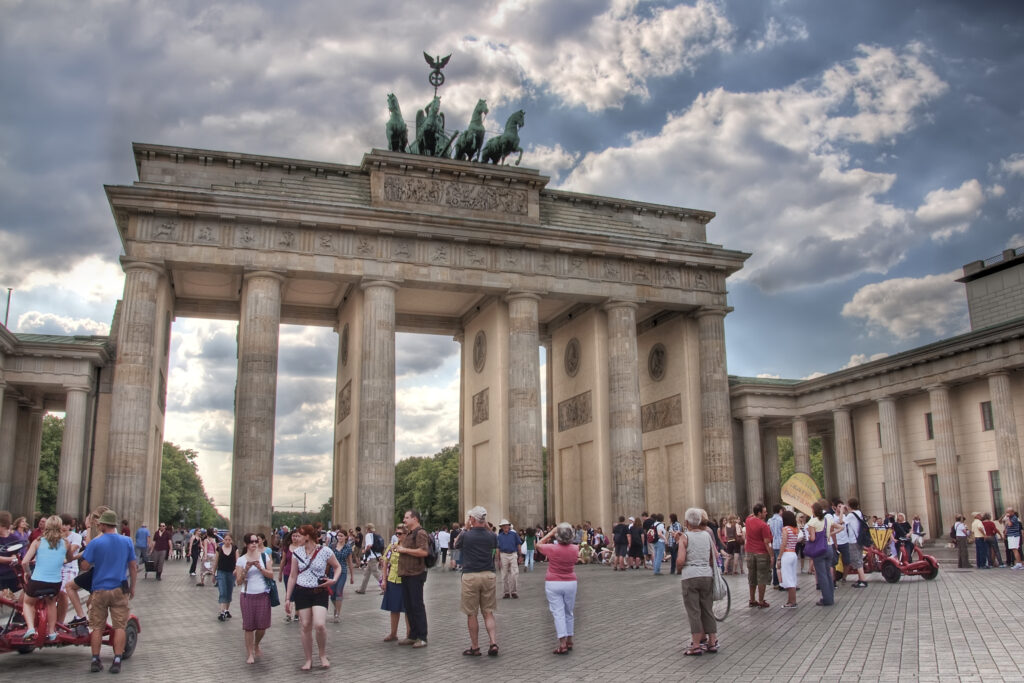
Most “things to do in Berlin” lists read like they were copied from the same brochure. Brandenburg Gate, photo. Museum Island, photo. Currywurst, photo. And sure, those things earned their spot on the list — but Berlin is a strange, layered, endlessly interesting city, and reducing it to five bullet points does it a disservice.
If you’re trying to figure out what to do in Berlin, Germany, the honest answer is: more than you think, and not all of it in the order the guidebooks suggest. This city rewards people who wander a little, who eat at the place with no English menu, who take the wrong U-Bahn exit and end up somewhere unexpected. Here’s a guide built around that idea — the landmarks worth your time, the neighborhoods that actually feel like Berlin, and a few things most first-timers miss entirely.
Start With the History, But Don't Rush It
Berlin’s 20th-century history is written into its streets in a way few other European capitals can match, and seeing it in person hits differently than reading about it ever could.
Brandenburg Gate is the obvious starting point, and it earns that reputation. It’s not just a photo backdrop — this is the spot where the Berlin Wall fell in 1989, and standing there gives you a sense of scale that photos don’t capture. From here, it’s an easy walk to the Reichstag Building, home to the German parliament. Its glass dome is open to visitors (book ahead, it fills up fast) and offers one of the best panoramic views in the city, along with a genuinely clever bit of architecture: the dome is designed so natural light reaches the parliamentary chamber below, a small but pointed symbol of government transparency.
From there, head toward the Memorial to the Murdered Jews of Europe, a field of over 2,700 concrete slabs near the Brandenburg Gate. It’s disorienting by design — walk into the middle of it and the ground shifts, the slabs rise above your head, and the city noise disappears. Give it real time rather than a quick walkthrough.
For the Wall itself, skip the small preserved fragments scattered around downtown and go to the East Side Gallery instead — over a kilometer of the original Wall, covered in murals painted by artists from around the world after 1990. It’s touristy, yes, but it’s also the most honest, visceral way to understand what this city was divided by for nearly 30 years. Pair it with the Berlin Wall Memorial on Bernauer Straße, which is quieter, more documentary in tone, and includes a preserved “death strip” section that makes the Wall’s mechanics uncomfortably clear.
Museum Island Deserves a Full Day, Not a Detour
Museum Island (Museumsinsel) sits in the middle of the Spree River and holds five major museums within a few hundred meters of each other — a UNESCO World Heritage site in its own right. The Pergamon Museum usually gets the most attention for its reconstructed ancient monuments, though parts of it rotate through renovation, so it’s worth checking what’s actually open before you go. The Neues Museum houses the bust of Nefertiti, which is smaller and more striking in person than photos suggest. If you only have time for one, the Altes Museum offers a strong overview of classical antiquities without the crowds of its neighbors.
A practical tip that most visitors miss: buy a combined Museum Island ticket rather than paying per museum, and go early on a weekday if you can. This is one of Berlin’s biggest tourist draws, and the lines by midday can eat an hour you didn’t plan to lose.
Berlin's Neighborhoods Are the Real Attraction
Landmarks tell you what Berlin was. Neighborhoods tell you what it is. This is the part of any “what to do in Berlin” conversation that tends to get skipped, and it shouldn’t.
Kreuzberg is loud, graffiti-covered, and unapologetically itself — a mix of Turkish delis, punk bars, and some of the best street food in the city. Walk along the Landwehr Canal on a warm evening and you’ll find half the neighborhood picnicking on the grass with beers from the corner Spätkauf (Berlin’s version of a late-night corner shop, and a small institution in itself).
Prenzlauer Berg, by contrast, is Berlin gone upscale — cobblestone streets, restored 19th-century buildings, and a Sunday flea market at Mauerpark that’s become a full-on cultural event, complete with an open-air karaoke session that draws hundreds of onlookers every week.
Friedrichshain sits somewhere between the two — younger, grittier, and home to some of the city’s best techno clubs, including Berghain, arguably the most famous nightclub on earth. Getting in is its own strange ritual (dress plainly, don’t be loud in line, don’t take photos of the door staff while you wait), but even Berliners will tell you it’s worth trying once.
Mitte, the historic center, is more polished and touristy, but it’s where you’ll find the best contemporary art galleries tucked into converted courtyards, along with high-end shopping around Hackescher Markt.
Eat Like You Mean It
Berlin’s food scene has quietly become one of Europe’s most interesting, shaped by decades of immigration and a genuinely low cost of entry for small, independent kitchens.
Yes, try a currywurst — Konnopke’s Imbiss under the elevated train tracks in Prenzlauer Berg has been serving them since 1930 and is about as authentic as it gets. But don’t stop there. Berlin has one of the largest Turkish communities outside Turkey, and the döner kebab you’ll find at a proper Kreuzberg stand bears little resemblance to the fast-food version sold elsewhere. Markthalle Neun’s Street Food Thursday has become a genuine institution for sampling a wide range of vendors in one place.
For something slower, book a table at a Vietnamese restaurant in Prenzlauer Berg or Lichtenberg — Berlin has a strong Vietnamese community dating back to reunification-era labor agreements, and the food here rivals what you’d find in much larger cities. And if you want a proper sit-down German meal, look past the tourist-trap beer halls near the major sights and head to a smaller Kneipe (a traditional pub-restaurant) in a residential neighborhood, where the schnitzel is better and the prices are lower.
Slow Down in Berlin's Green Spaces
Berlin is greener than most people expect for a capital city of its size, and locals treat their parks as an extension of daily life rather than a weekend novelty.
Tempelhofer Feld, a decommissioned airport turned public park, is the standout — a vast open runway where Berliners cycle, kite-surf, garden in community plots, and generally do whatever they want across a space so large it can absorb thousands of people without ever feeling crowded. Tiergarten, the city’s central park, is more traditional and a pleasant walk between the Brandenburg Gate and Berlin Zoo. For a quieter afternoon, Viktoriapark in Kreuzberg has a small artificial waterfall and one of the better neighborhood views in the city.
Take a Day Trip to Potsdam
If you have an extra day, Potsdam is a 25-minute train ride from central Berlin and feels like a different world entirely. It’s home to Sanssouci Palace, the summer residence of Frederick the Great, along with sprawling gardens that make for one of the most pleasant half-days you can spend outside the city. It’s an easy add-on and consistently ranks as one of the best short trips from Berlin.
Getting Around: A Few Practical Notes
Berlin’s public transport (BVG) is extensive and genuinely reliable — U-Bahn, S-Bahn, trams, and buses all run on the same ticket system, and a day pass usually pays for itself after two or three rides. The city is also remarkably bike-friendly, with dedicated lanes on most major streets, and rental bikes are available all over the center.
One thing worth knowing: Berlin operates on an honor system for public transport. There are no turnstiles. That doesn’t mean it’s free — plainclothes inspectors do random checks, and the fine for riding without a validated ticket is steep enough to make it not worth the risk.
Frequently Asked Questions
How many days do you need in Berlin? Three to four days covers the major landmarks and a couple of neighborhoods comfortably. A full week lets you add a day trip to Potsdam and actually slow down in the city’s parks and food scene rather than rushing between sights.
Is Berlin walkable? The center is walkable in sections, but the city is large and spread out overall. Most visitors combine walking within neighborhoods with public transport between them.
What’s the best time of year to visit Berlin? Late spring through early autumn (May to September) offers the most daylight and outdoor events, including flea markets and park culture. Winters are cold and grey but come with a genuinely good Christmas market scene in December.
Is Berlin expensive? Compared to London, Paris, or Amsterdam, Berlin remains relatively affordable, particularly for food, nightlife, and public transport, though prices have risen in recent years like most European capitals.
The Bottom Line
Figuring out what to do in Berlin, Germany isn’t really about checking landmarks off a list — it’s about giving the city room to be strange, layered, and a little unpolished in places. See the Brandenburg Gate and Museum Island, absolutely. But leave space for a Sunday at Mauerpark, a slow meal in Kreuzberg, or an afternoon doing nothing in particular at Tempelhofer Feld. That’s usually where the best version of Berlin shows up.